The 10 Best Alternatives to 360Learning in 2026

By Keith Martin | Updated on April 23, 2026
360Learning alternatives are ranked using first-hand research from our advisory team and data from G2, Capterra, and Gartner Peer Insights. No paid placements.
Quick Summary
As a GTM leader who's evaluated 20+ enterprise learning platforms, I've analyzed the best 360Learning alternatives to help you find collaborative learning software that fits your budget, technical requirements, and training goals without the pricing surprises or customization limitations that frustrate growing teams.
Organizations switching from 360Learning achieve 40-60% cost savings while gaining advanced branding capabilities, faster implementation timelines, and more stable platform performance—without sacrificing the social learning features that drive engagement.
Table of Contents
Top 5 Alternatives Shortlist
If you’re thinking of switching from 360Learning, here are the top options based on features, overall ratings, and user reviews:
1. Continu — Best for AI-powered, enterprise-scale learning focused on business results
2. Absorb LMS — Best for scalable, AI-powered strategic learning
3. Docebo — Best for enterprise organizations training internal and external teams
4. CYPHER Learning — Best for personalized, user-friendly skills-based learning
5. Sana — Best for AI-native, unified learning needs
360Learning has built a strong reputation in collaborative learning.
With 4.6/5 ratings across 1,100+ reviews, intuitive course authoring, and social learning features that drive peer knowledge sharing, it's a solid platform for teams prioritizing collaborative training.
But here's what we discovered after analyzing hundreds of user reviews and interviewing L&D leaders who've migrated away:
- Pricing becomes prohibitive as teams scale: What starts at $8/user/month for small teams quickly escalates to custom enterprise pricing that catches growing organizations off guard.
- Customization limitations force workarounds: Organizations with specific branding requirements or unique learning workflows hit walls that require extensive professional services or compromise.
- Technical glitches and platform updates create friction: Users report navigation issues, slow support resolution times, and a learning curve that resurfaces with each platform update.
The good news?
The LMS landscape has evolved dramatically.
Modern platforms deliver collaborative learning capabilities at 40-60% lower costs, with faster implementation, deeper customization, and more stable performance.
Below, you'll find the top 10 alternatives to 360Learning ranging from affordable team solutions to enterprise platforms—each evaluated across pricing transparency, migration ease, feature completeness, and user experience.
Whether you're a 50-person startup or a 5,000-employee enterprise, there's a better-fit option here.
What is 360Learning?
360Learning is an AI-powered learning platform that combines LMS and LXP capabilities to drive onboarding, employee development, and customer training at scale. Founded in 2013, the platform serves thousands of customers across technology, healthcare, manufacturing, and professional services.
Core Philosophy
The platform emphasizes collaborative learning—turning subject-matter experts into course creators rather than relying solely on dedicated L&D teams.
This "upskilling from within" approach enables organizations to rapidly transform internal expertise into scalable training programs.
Key Features and Capabilities
Collaborative Course Authoring: Subject-matter experts can build courses using drag-and-drop modules, quizzes, videos, and embedded content without technical skills. The platform democratizes content creation across the organization rather than bottlenecking through a central L&D team.
Social Learning Environment: Learners can react, comment, and discuss courses in real-time, creating dialogue around training content. This social layer drives engagement and captures institutional knowledge that traditional LMS platforms miss.
AI-Powered Analytics: The platform uses AI to tag skills, identify gaps, and personalize learning journeys based on individual development needs. Deep integrations with Slack, Zoom, Google Workspace, Salesforce, and HRIS tools help centralize onboarding, compliance, upskilling, and customer education.
Common Use Cases
Organizations typically deploy 360Learning for:
Employee Onboarding and Development - Collaborative course creation accelerates onboarding by enabling team leads to share expertise directly.
Customer and Partner Training - The platform extends beyond internal teams to educate customers and partners on products and services.
Compliance and Skills Training - Social learning features make mandatory training more engaging while AI analytics ensure completion and competency.
Biggest Strengths of 360Learning
User-Friendly Interface - The intuitive authoring tools require minimal training—subject-matter experts can create their first course in under an hour.
Engaging Social Features - Real-time discussions and peer knowledge sharing drive higher completion rates compared to traditional static courses.
Responsive Support - Users consistently praise 360Learning's customer success team for responsiveness and helpful guidance during implementation.
Pricing and Free Trial Details
Pricing structure:
- Team Plan: $8/user/month (up to 100 users)
- Business Plan: Custom pricing
- Enterprise Plan: Custom pricing
Free Trial: 14-day trial available
Important Note: Pricing for larger teams requires custom quotes, and several users report sticker shock when scaling beyond the initial team tier.
360Learning Review Platform Source
 View 360Learning’s reviews on G2 →
 View 360Learning’s reviews on Capterra →
 View 360Learning’s reviews on Gartner Peer Insights →
*360Learning’s overall rating and reviews pulled from these sources may have changed since this article was created. Data was pulled early December 2025 and will be updated quarterly.
Why Look for an Alternative to 360Learning?
Organizations don't casually research 360Learning alternatives.
You're here because something isn't working—whether it's budget constraints, customization limitations, or technical friction slowing your training programs.
After analyzing 1,100+ user reviews across G2, Capterra, and Gartner Peer Insights, clear patterns emerge.
Here's what drives L&D teams to evaluate other platforms:
The 3 Biggest Limitations of 360Learning
1. Limited Customization and Branding Constraints
The Problem:
360Learning's collaborative approach comes with rigid structural limitations that frustrate teams with specific branding or workflow requirements.
What Users Report:
"We couldn't customize the platform to match our corporate branding without extensive workarounds."
"The course structure works great for simple training but falls apart when we need complex learning paths."
Organizations with unique compliance requirements or industry-specific workflows hit walls that require professional services or force compromise on training standards.
Better Alternative:
Platforms like Continu and TalentLMS offer extensive white-labeling and customization capabilities that adapt to your processes—not the other way around.
2. Pricing Escalation at Scale
The Problem:
360Learning's $8/user/month team pricing appears affordable until organizations scale beyond 100 users and discover custom enterprise pricing that significantly impacts training budgets.
What Users Report:
"The jump from team pricing to enterprise was shocking—we're now paying 3x what we budgeted."
"Hidden costs emerged during implementation that weren't clear during the sales process."
The lack of transparent pricing for mid-market teams (100-500 users) makes budgeting difficult and often results in sticker shock.
Better Alternative:
Platforms with transparent per-user pricing across all tiers let you accurately forecast costs as your organization grows.
3. Technical Glitches and Platform Stability
The Problem:
Users report navigation limitations, slow bug resolution, and a recurring learning curve with each platform update that disrupts training programs.
What Users Report:
"Content downloaded from the platform isn't easily modifiable—we have to recreate courses from scratch."
"Navigation issues frustrate learners, and support takes days to respond on our tier."
"Every major update requires retraining our admin team, which kills productivity."
Frequent platform changes create friction, and technical issues linger longer than enterprise teams expect.
Better Alternative:
Mature LMS platforms with stable architectures and rigorous QA processes minimize disruption and maintain consistent user experiences.
The Bottom Line
If you're experiencing any of these challenges, the alternatives below address these specific pain points.
Use our comparison table to identify which platforms solve your unique concerns while maintaining the collaborative learning features that drew you to 360Learning initially.
The right alternative delivers better customization, transparent pricing, and stable performance—without sacrificing the social learning capabilities your team values.
360Learning Alternatives Comparison Table
The table below summarizes our list of the best alternatives, ranked using our advisory team’s first-hand research and data from trusted sources like G2, Capterra, and Gartner Peer Insights.

1. Continu

2.3 (727 reviews)
Yes
Custom quotes based on number of learners and tier
View pricing details →
5. Sana

4.9 (104)
No
$13/user/month with 300-user minimum; enterprise custom pricing
View pricing details →
6. Workramp

4.5 (691)
No
Custom pricing; typically mid-market to enterprise budgets
View pricing details →4.3 (929)
No
Custom enterprise pricing, very expensive and overkill for most companies
View pricing details →The Top 10 Alternatives Reviewed
Explore our in-depth breakdown of the top alternatives to 360Learning, ranked by their impact on your organization’s learning compared to 360Learning’s platform.
1. Continu
2.3 (727 reviews)
Best for AI-powered, enterprise-scale learning focused on business results
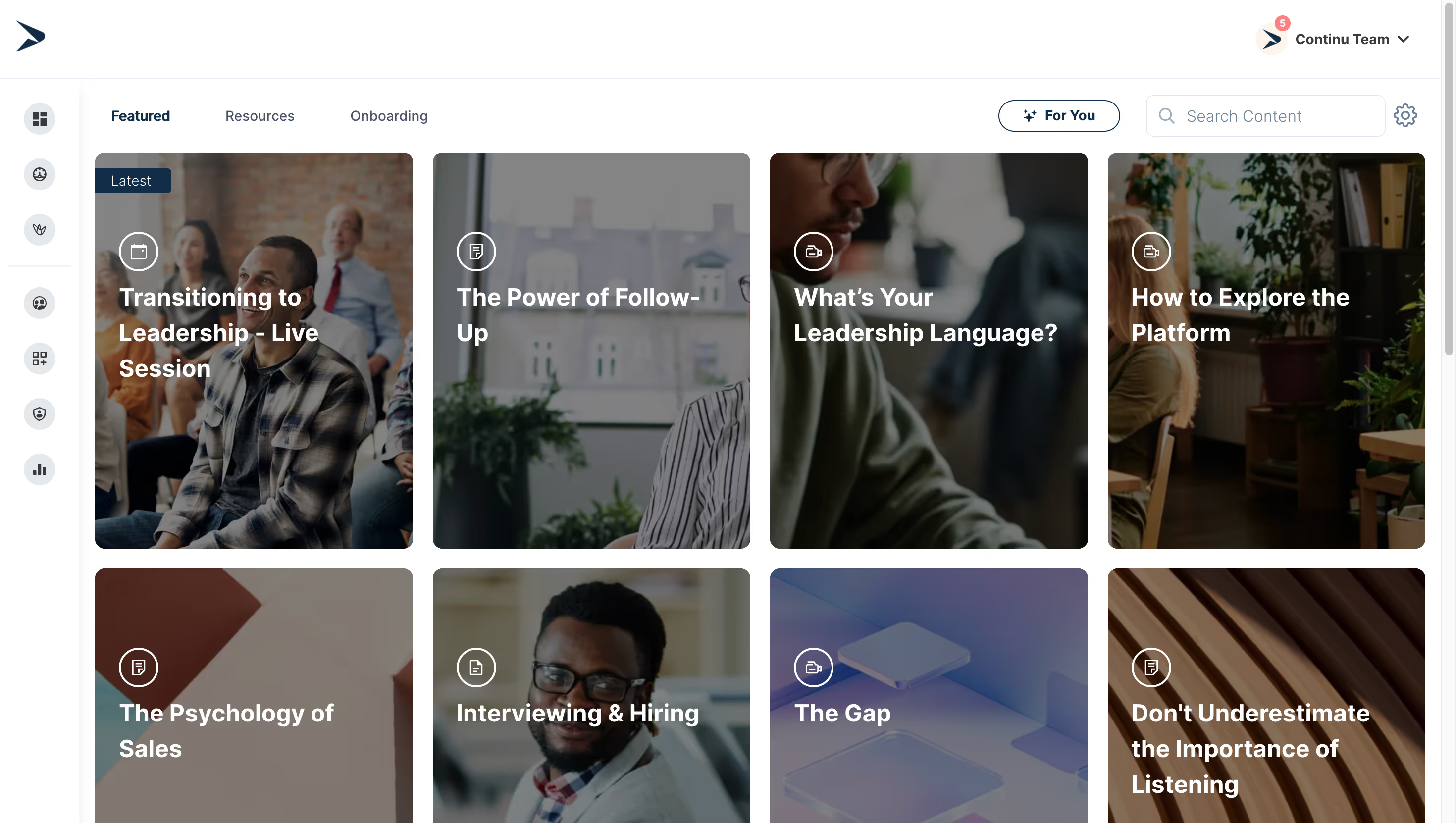
Continu is a modern all-in-one learning platform that helps mid to large-size organizations centralize employee, customer and partner training. It combines content authoring, workshops, journeys and assessments with smart automations and AI-powered analytics to boost engagement, reduce ramp-up time and save administrators hours.
Why I picked Continu
Continu is the top-ranked alternative thanks to its deep integrations with workplace tools, robust AI-powered reporting, ease-of-use for admins and learners, enterprise-grade features, and the ability to centralize learning for employees, customers, and partners into a single platform.
Continu is ideal for:
Mid-market & enterprise organizations training over 500 total users (employees, customers, and/or partners).

2. Absorb LMS

4.6 (1443)
Best for scalable, AI-powered strategic learning
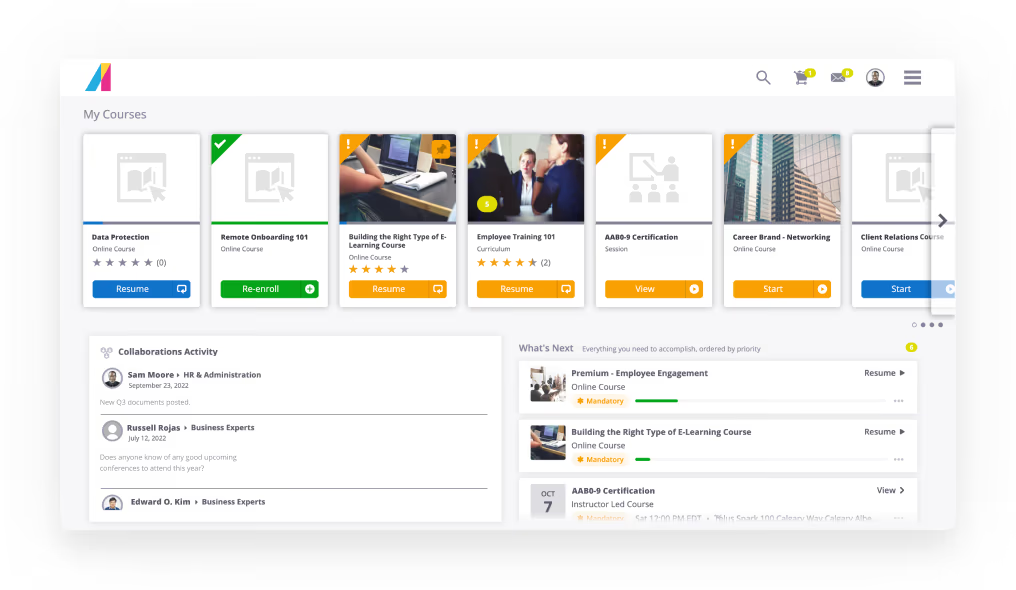
A cloud-based LMS combining AI-driven skills, personalized paths and multi-tenancy for global training.
Why I picked Absorb LMS
Absorb LMS is a solid choice thanks to its user-friendly interface and intuitive navigation and comprehensive features including advanced reporting, content library and eCommerce.
Absorb LMS is ideal for:
Businesses of all sizes, especially SMBs and enterprises

3. Docebo
4.4 (1126)
Best for enterprise organizations training internal and external teams
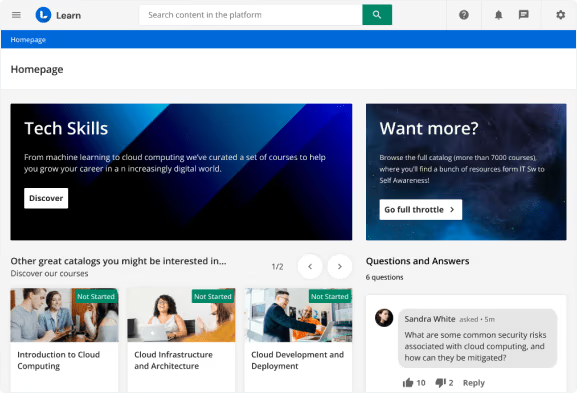
An AI-powered enterprise suite that automates personalized training delivery across multiple audiences
Why I picked Docebo
Docebo is a solid choice thanks to its enterprise-grade, highly customizable, scalable platform, and AI-driven automation.
Docebo is ideal for:
Mid-size to large enterprises with 250+ active learners

4. CYPHER Learning
4.5 (458)
Best for personalized, user-friendly skills-based learning
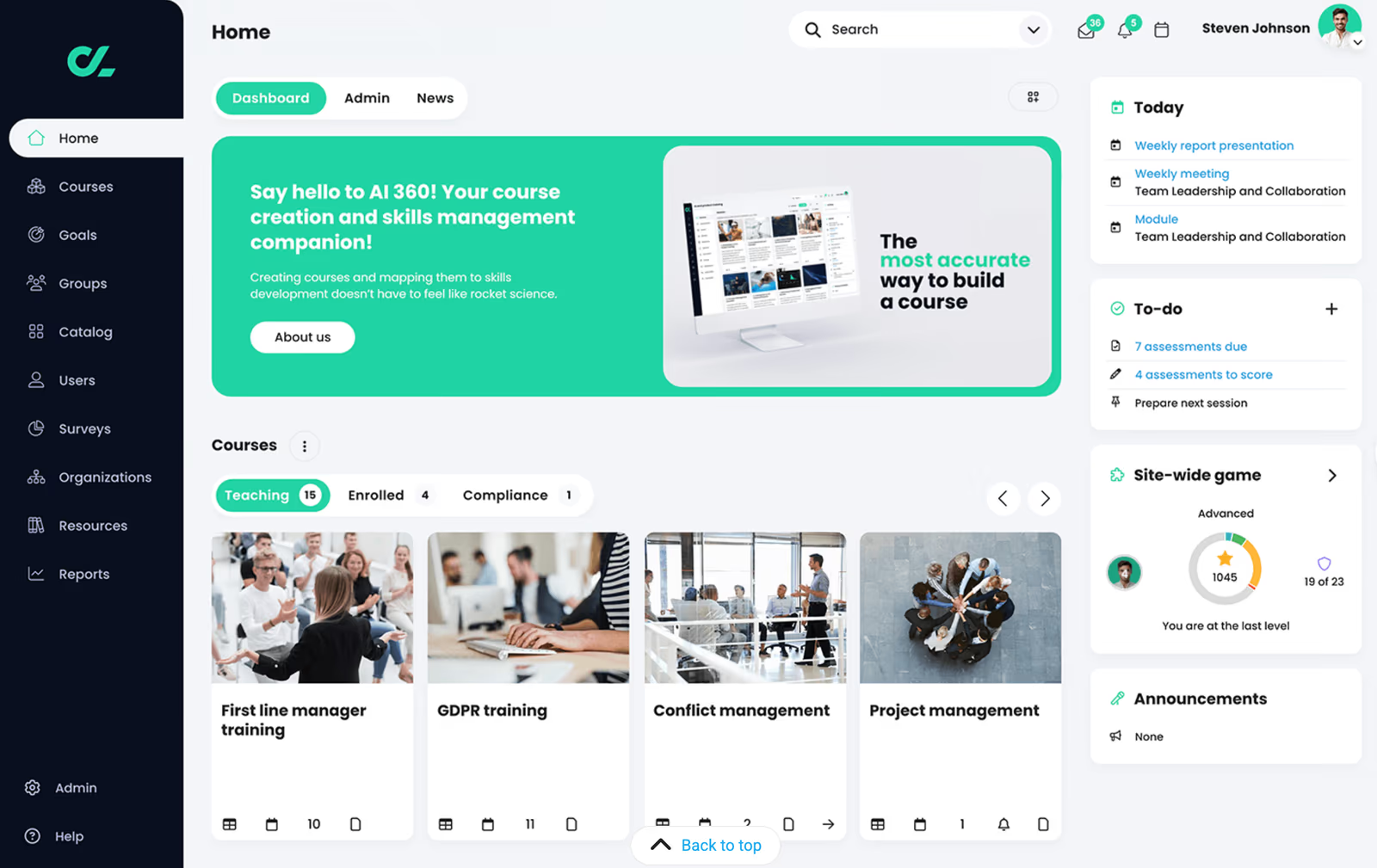
A unified platform merging LMS, LXP and AI content development with adaptive learning paths
Why I picked CYPHER Learning
CYPHER Learning made the list as a great alternative because it combines AI-powered adaptive learning and personalized recommendations engage learners with all-in-one platform.
CYPHER Learning is ideal for:
Mid-sized to large enterprises and academic institutions
5. Sana
4.9 (104)
Best for AI-native, unified learning needs
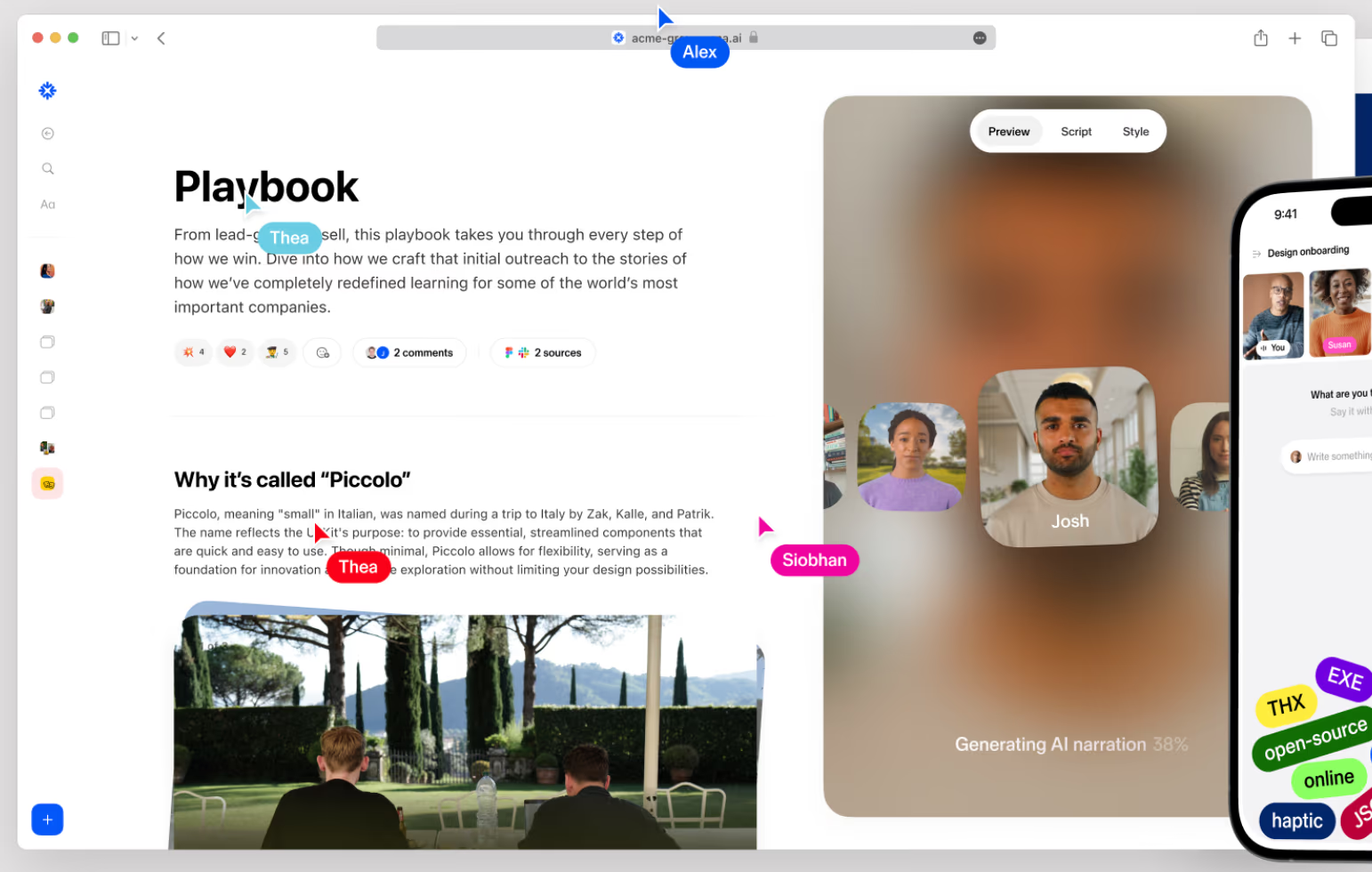
An AI-native platform consolidating LMS, LXP, authoring and virtual classrooms with generative content
Why I picked Sana
Sana is a solid choice thanks to its intuitive AI-native interface, powerful AI-driven search, and personalization delivering relevant content quickly.
Sana is ideal for:
Mid‑market and large organizations (300+ users) looking for AI-powered learning
6. Workramp
4.5 (691)
Best for AI-first, intuitive learning experiences
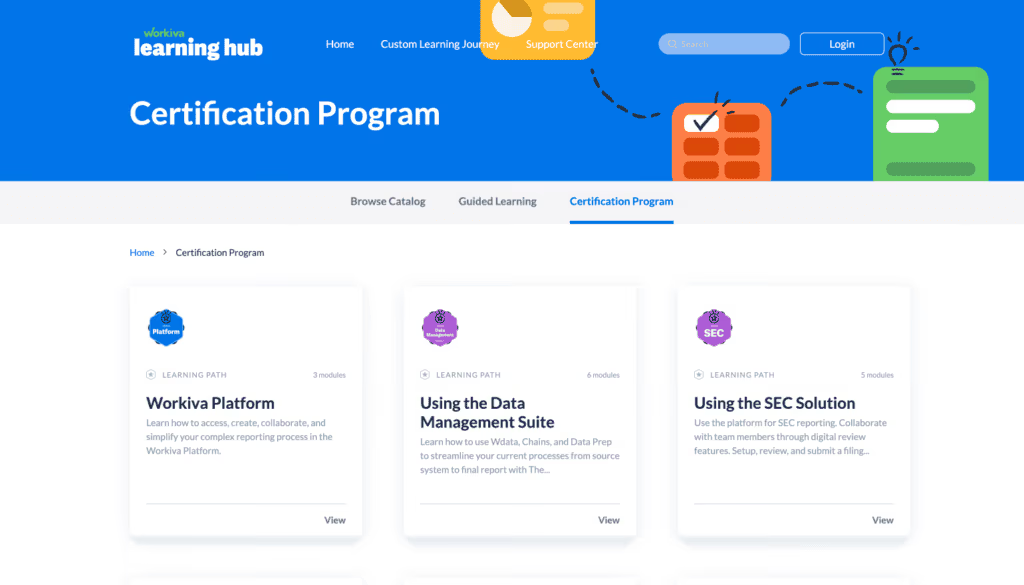
An AI-powered platform unifying employee and customer training with content generation and personalized recommendations
Why I picked Workramp
Workramp deserves consideration as an alternative thanks to easy-to-use, intuitive interface and AI-driven content creation and personalization saves time.
Workramp is ideal for:
Mid-market to enterprise organizations
7. Cornerstone onDemand
4.3 (929)
Best for enterprise-scale talent development and learning management
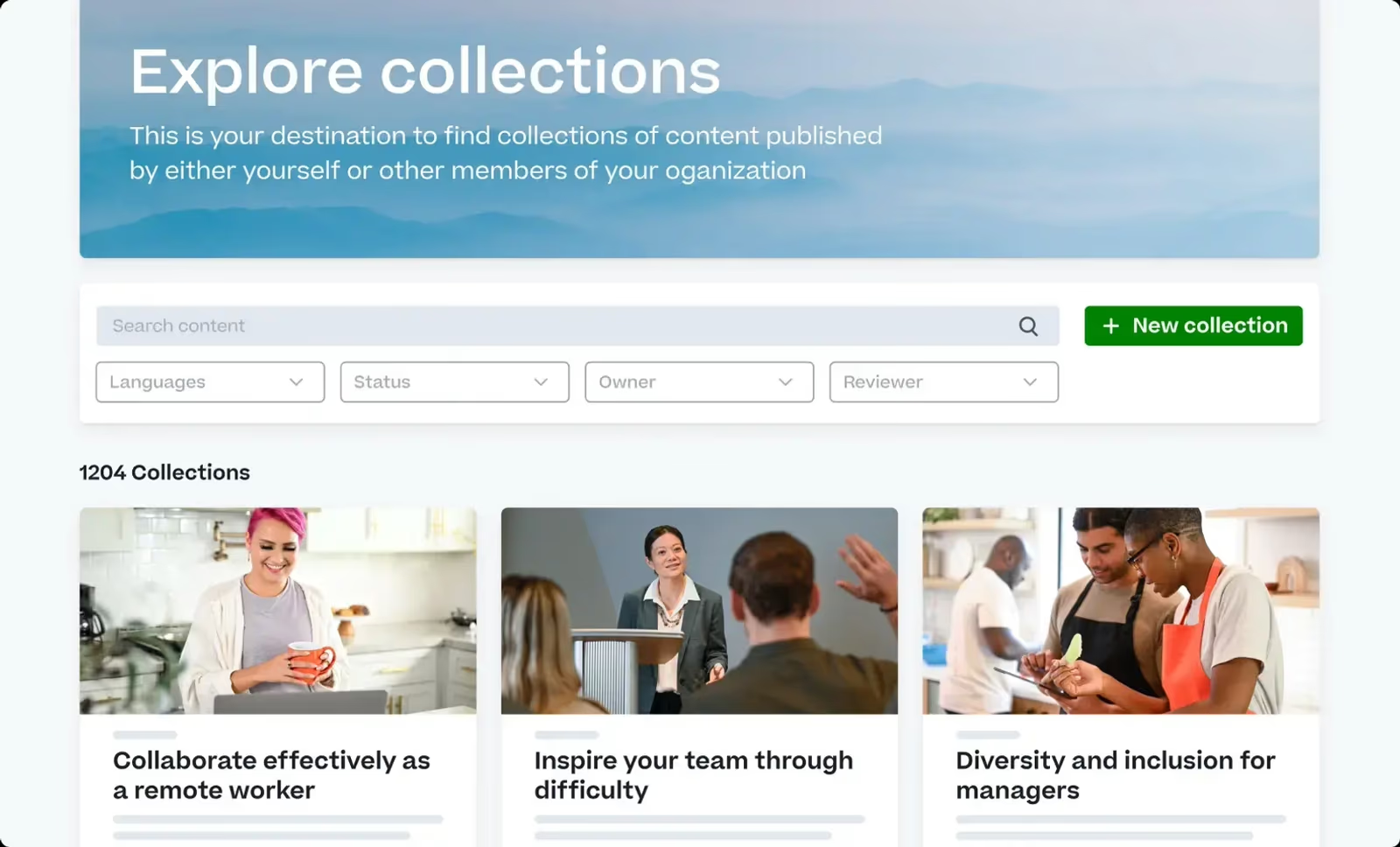
An enterprise LMS integrated with talent management for recruiting, performance and succession planning.
Why I picked Cornerstone onDemand
Cornerstone onDemand is a solid alternative because of its comprehensive feature set spanning learning and talent management, strong compliance and reporting capabilities.
Cornerstone onDemand is ideal for:
Large enterprises
8. Bridge LMS
4.3 (413)
Best for cloud-based employee development and skills-mapping
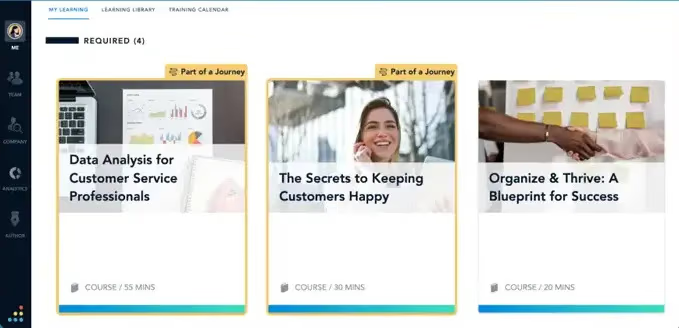
A cloud platform combining learning with 32,000+ skills mapped to job market data for gap analysis.
Why I picked Bridge LMS
Bridge LMS made the cut by combining integrated skills database with a wide range of training types and external learners.
Bridge LMS is ideal for:
Mid-market to enterprise

9. iSpring Learn
4.4 (296)
Best for rapid LMS deployment with compliance and assessment features
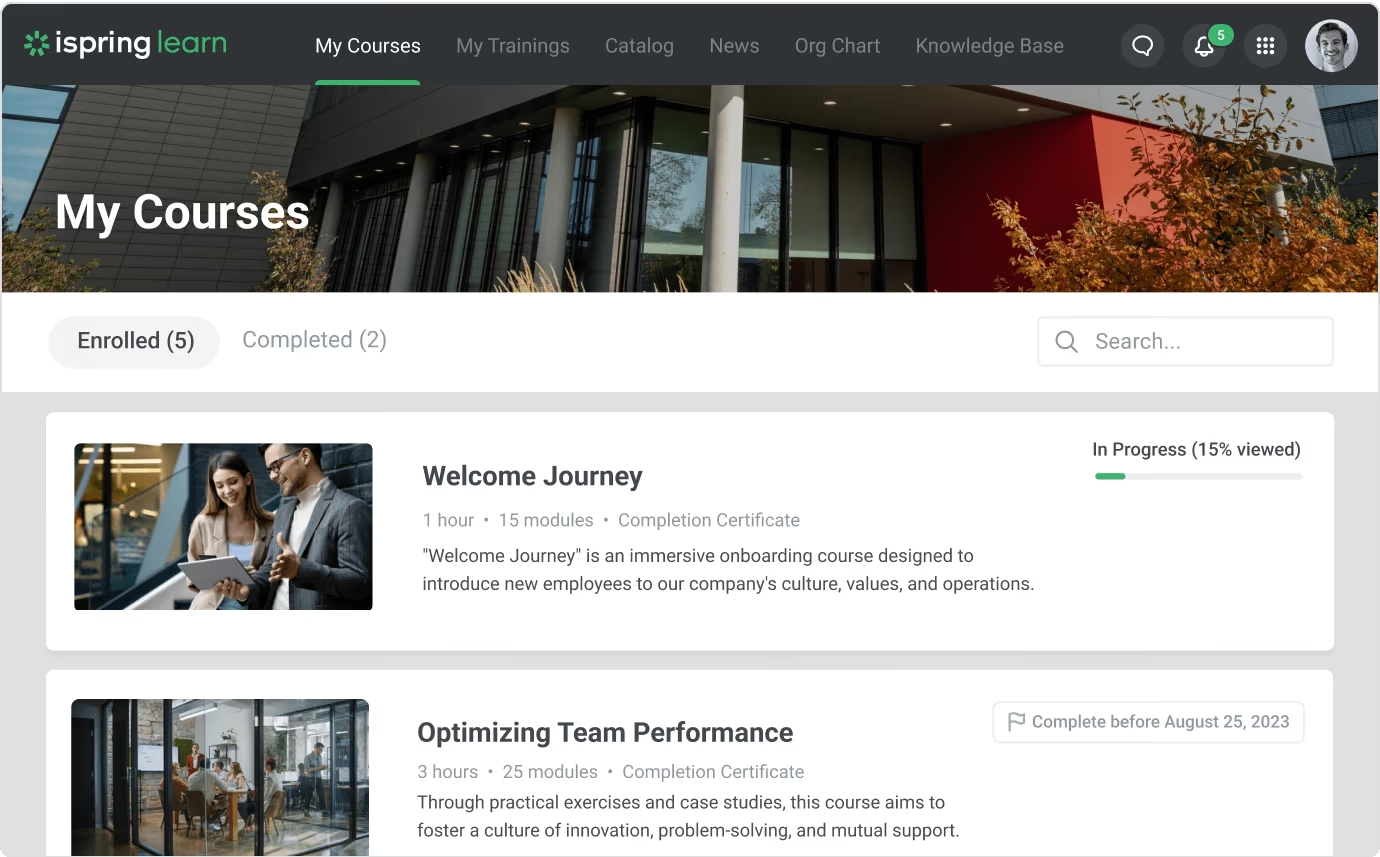
An all-in-one LMS with PowerPoint-based course authoring and offline mobile learning
Why I picked iSpring Learn
iSpring Learn ranks as a decent option for its seamless integration and flexible pay-per-active-user pricing and responsive customer support.
iSpring Learn is ideal for:
Small to mid-sized organizations needing scalable training

10. Tovuti
4.6 (497)
Best for AI-enabled course creation and user-friendly learning management
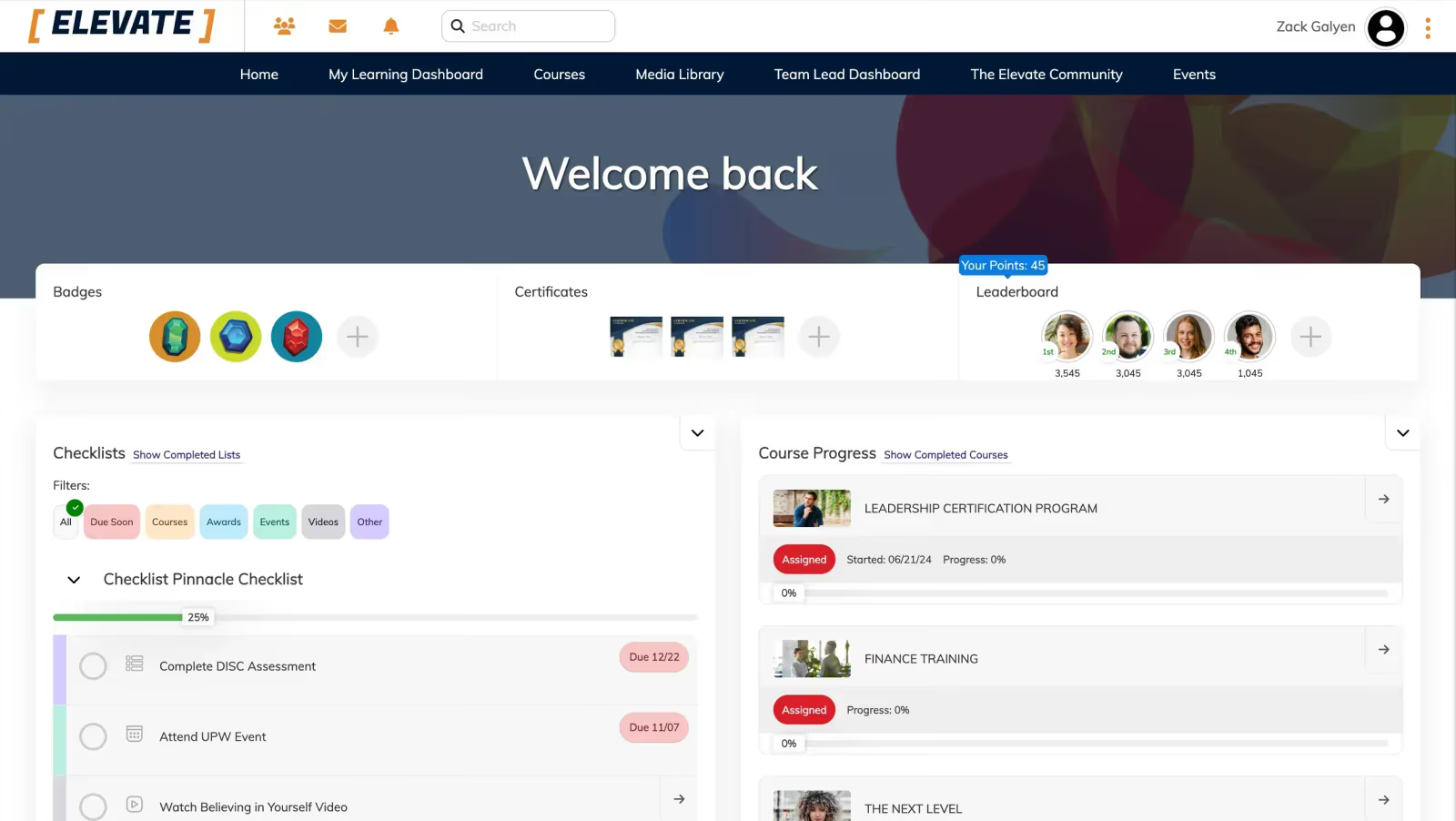
A cloud LMS with built-in authoring offering 40+ interactive content types and social learning
Why I picked Tovuti
Tovuti is a solid choice thanks to its integrated authoring tools and rich content library eliminate need and highly engaging interactive and gamified courses.
Tovuti is ideal for:
Mid-sized to enterprise organizations (50–5,000+ users)
Making the Switch from 360Learning
360Learning pioneered collaborative learning, but it's not the only platform delivering social learning capabilities—and often not the best fit for growing organizations.
The alternatives above offer similar collaborative features at lower price points, with deeper customization, faster implementation, and more stable performance.
Organizations switching from 360Learning typically achieve:
- 40-60% cost savings on annual subscription fees
- 50% faster implementation timelines
- Higher admin productivity with more intuitive interfaces
- Better learner adoption through simplified navigation
Your best alternative depends on your specific priorities:
For most organizations looking to maximize value and innovation: Continu delivers AI-powered conversational learning across Slack and Teams, transparent pricing, and implementation in under two weeks—addressing 360Learning's core limitations while advancing beyond traditional collaborative learning.
For teams prioritizing budget-conscious solutions: TalentLMS offers unlimited courses at $69/month for small teams, with extensive customization capabilities that 360Learning restricts.
For enterprises requiring advanced compliance features: Absorb LMS provides robust audit trails, automated recertification, and industry-specific templates that extend beyond 360Learning's collaborative focus.
Ready to explore better alternatives?
Use our comparison table above to shortlist 2-3 platforms that match your requirements.
Schedule demos focusing on your specific pain points with 360Learning.
Request pricing for your team size to avoid surprises during scaling.
Run free trials with real users and content before committing.
The right platform is waiting—one that delivers collaborative learning without the constraints.
Frequently Asked Questions
What is the best alternative to 360Learning?
Why would an organization switch from 360Learning to another platform?
What is the most commonly mentioned problem with 360Learning?
What do organizations typically see when they switch from 360Learning?