Optimizing Content Delivery: Authoring and Management in LMS

The Editorial Team
January 7, 2025



The educational landscape is undergoing a seismic shift, with digital platforms playing a pivotal role in reshaping how knowledge is delivered, consumed, and retained. At the heart of this transformation lies the learning management system (LMS), a powerful tool that streamlines educational content delivery while fostering engagement and accessibility. For organizations and institutions seeking to maximize the impact of their training and educational initiatives, understanding how to optimize content authoring and management within an LMS is critical.
This article delves into the nuances of content delivery optimization, focusing on how robust learning management system software facilitates efficient authoring and management of educational materials. Additionally, we'll explore the importance of conducting a learning management system comparison to identify the right platform for your needs.
The Foundation of Effective Content Delivery: Understanding LMS Authoring Tools

The success of any LMS hinges on its content. Authoring tools, integrated within most modern LMS platforms, empower educators, trainers, and administrators to create, edit, and curate content that meets the needs of their learners. These tools bridge the gap between raw knowledge and structured learning experiences, enabling content to be:
- Engaging: Modern authoring tools allow for incorporating multimedia elements like videos, quizzes, interactive simulations, and gamified modules.
- Accessible: Many LMS platforms ensure compliance with accessibility standards such as WCAG, making content usable for learners with diverse needs.
- Scalable: Whether training ten employees or educating thousands of students, the right LMS software ensures seamless scalability.
The key to optimizing content delivery is selecting an LMS with robust authoring tools. When conducting a learning management system comparison, evaluate the platform’s capacity to create diverse and engaging learning materials.
Streamlining Content Management: The Backbone of LMS Efficiency

Content management within an LMS is more than just uploading files; it’s about organizing, maintaining, and updating materials to ensure relevance and accuracy. Here are some best practices for efficient content management:
- Centralized Content Repository: A centralized system ensures all resources are easily accessible, reducing duplication, and ensuring consistency.
- Version Control: Frequent updates are inevitable in dynamic learning environments. LMS software with version control features prevents confusion by maintaining a clear history of content changes.
- Metadata and Tagging: Proper metadata and tagging enable quicker searchability, helping users locate relevant materials in seconds.
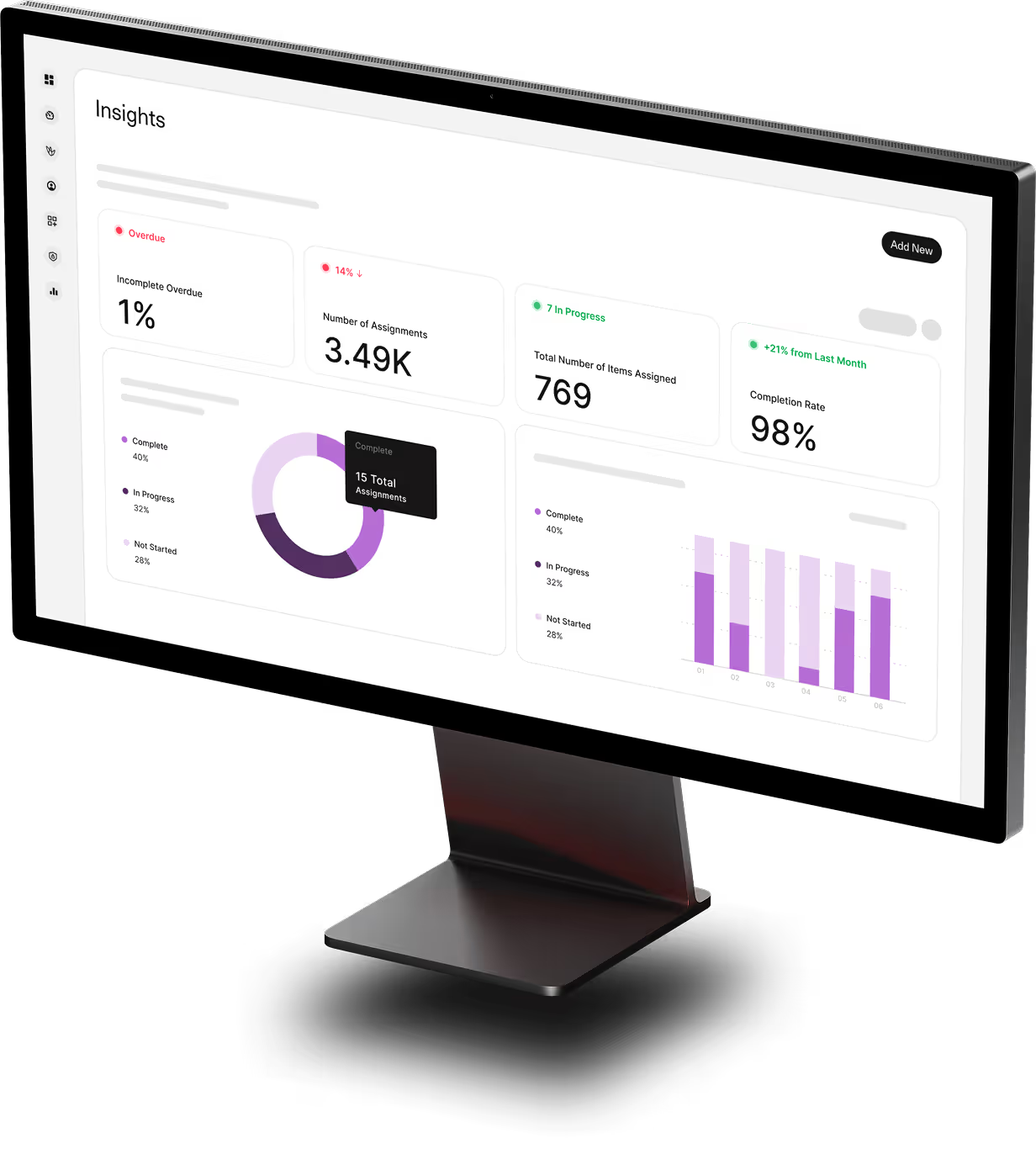
- Content Analytics: Analytics dashboards provide insights into which materials resonate with learners, offering opportunities for iterative improvements.
Choosing a learning management system that excels in content management ensures that your educational initiatives are always one step ahead.
Enhancing Learner Engagement Through Personalized Content

One of the hallmarks of effective LMS platforms is their ability to deliver personalized learning experiences. Here’s how optimized authoring and management can drive engagement:
- Adaptive Learning Paths: LMS software with AI-driven algorithms can adapt content delivery based on individual progress, ensuring a tailored learning journey.
- Role-Based Content: Different learners have different needs. For instance, a corporate LMS might provide unique content tracks for managers, entry-level employees, and technical staff.
- Interactive Modules: Gamification, simulations, and real-time quizzes keep learners motivated and actively engaged.
When conducting a learning management system comparison, prioritize platforms with features that support personalized learning. This approach not only enhances engagement but also drives measurable outcomes.
The Role of SCORM and xAPI Standards in Content Delivery
For seamless content delivery, LMS platforms often rely on standards like SCORM (Sharable Content Object Reference Model) and xAPI (Experience API). These standards ensure:
- Interoperability: SCORM-compliant content can be used across multiple LMS platforms without modification.
- Detailed Analytics: xAPI goes a step further by tracking learner interactions even outside the LMS, offering richer insights.
- Ease of Integration: Standardized content formats simplify importing, exporting, and integrating materials.
When selecting learning management system software, ensure it supports these standards to future-proof your content delivery strategy.
Optimizing Collaboration for Content Development

Collaboration is a cornerstone of effective content authoring. Many LMS platforms now include tools that facilitate team collaboration, ensuring that subject matter experts, instructional designers, and administrators can work cohesively. Features like real-time editing, comment threads, and approval workflows streamline the content creation process, reducing time-to-market for new courses.
A learning management system comparison should highlight platforms that support collaborative tools, as these are essential for organizations with large-scale or complex training needs.
In 2024, the LMS market grew from $17.74 billion in 2023 to $20.5 billion at a compound annual growth rate of 15.6%. This growth is driven by the increasing demand for online learning solutions in academic and corporate settings. As organizations prioritize employee training and development, the need for efficient and collaborative LMS platforms will continue to rise.
Integrating Third-Party Tools for Expanded Functionality
While most LMS platforms have powerful native features, integrating third-party tools can significantly enhance content delivery. For example:
- Video Conferencing: Integration with platforms like Zoom or Microsoft Teams facilitates synchronous learning.
- Content Libraries: Access to repositories like LinkedIn Learning or Coursera ensures learners have a wealth of resources.
- Project Management: Tools like Trello or Asana can be used to manage course development timelines.
When evaluating learning management system software, consider its ability to integrate with third-party applications seamlessly. It should also meet your needs in an LMS to ensure a smooth and efficient workflow.
Conducting a Learning Management System Comparison: Key Considerations
Choosing the right LMS platform is a strategic decision that requires careful evaluation. Here’s what to look for:
- User Experience: A user-friendly interface ensures learners and administrators can navigate the platform effortlessly.
- Scalability: Ensure the LMS can grow with your organization, supporting more users and complex content over time.
- Customization: The ability to tailor the platform to your branding and specific requirements is invaluable.
- Cost-Effectiveness: Evaluate the total cost of ownership, including licensing fees, maintenance, and support.
- Support and Training: Reliable customer support and training resources are critical for smooth implementation and ongoing use.
When choosing the right platform to support organizational learning and growth, taking a step back and evaluating all available options is essential. This requires a strategic approach that considers both current needs and future scalability.
Organizations can select a platform that aligns with their unique objectives and constraints by conducting a thorough learning management system comparison. A well-executed comparison not only highlights the features and capabilities of each system but also sheds light on hidden costs, integration challenges, and support quality. This process ensures that the final choice is not just functional but also sustainable in the long term.
The Future of LMS Content Delivery
As technology evolves, so does the potential for LMS platforms to revolutionize learning. Emerging eLearning trends such as augmented reality (AR), virtual reality (VR), and artificial intelligence (AI) are poised to redefine content delivery. For instance:
- Immersive Learning: AR and VR create realistic simulations for hands-on training, particularly in technical fields like healthcare and engineering.
- AI-Driven Recommendations: Intelligent algorithms suggest content based on user behavior, enhancing personalization.
- Microlearning: Bite-sized, on-demand content meets the needs of modern learners who prefer flexibility and convenience.
Investing in virtual training ensures your organization remains competitive in an increasingly digital world. Organizations can offer individualized learning experiences that satisfy each learner's needs and preferences by utilizing AI in content delivery. This helps keep ahead of the curve in a rapidly changing digital landscape and increases engagement and retention.
Unlocking the Full Potential of LMS Platforms
Optimizing content delivery through efficient authoring and management is essential for leveraging the full potential of a learning management system. From creating engaging, personalized learning experiences to streamlining collaboration and embracing emerging technologies, the right LMS software acts as a catalyst for impactful education and training.
When conducting a learning management system comparison, prioritize platforms that align with your organizational goals while offering robust authoring and management capabilities. Doing so will enhance learning outcomes and position your organization at the forefront of the digital learning revolution.
Smarter training. Stronger teams.
See how thousands of enablement leaders around the world are automating delivery, increasing ROI, and creating real business impact with Continu.