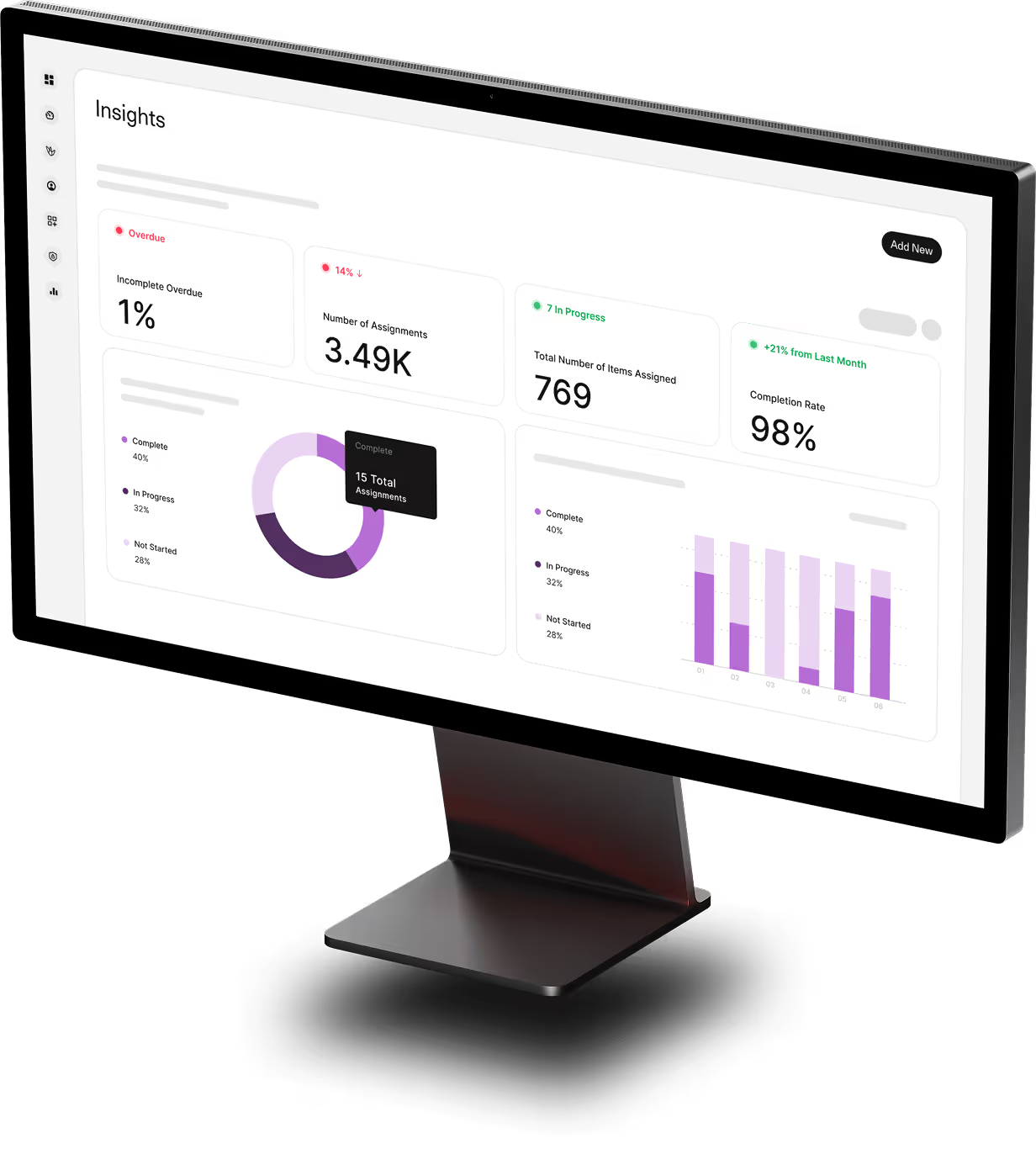
Partner Training: The Absolute Ultimate Guide

The Editorial Team
July 10, 2023


In the world of workplace training, partner training is often overlooked, but it shouldn’t be! When done well, partner training gives the perfect introduction to your business and products and gives your partners the tools they need to represent your business well.
The channel partner sales model has transformed sales as we know it, but to see success, you have to pay close attention to your training methods and materials. Enter, your ultimate guide to comprehensive and profitable partner and VAR (value-added reseller) training!
If you’re curious about the different types of partner training, how to get started, and how to measure success, keep reading for your ideal companion guide.
What is partner training?
Partner training is an umbrella term for training given to third parties who resell your products, including resellers, affiliate partners, and distributors. Channel sales are a common way to increase exposure, distribution, and boost sales without expanding your internal headcount.
Partner training covers key topics including:
- Training on your brand identity, history, and values.
- Training on the specific products and services your partner offers.
- Any important regulations or policies on how to sell your products.
- Support and enablement to keep customer satisfaction high and increase revenue for you and your channel partners.
Partner training is part of extended enterprise training, which focuses on 360° training inside and outside your organization to your employees, customers, and partners. This helpful guide breaks down examples of all the different types of channel partnerships.
Strategic partner training is an essential way to get all your partners up to speed with your offering, best practices and general guidelines so they will see success in selling your products.
How to create a partner training program
Follow these simplified steps to build a partner training program for your unique business and products.
1. Set goals
As you design your partner training, set intentional goals that will drive real revenue and lasting impact. As always, be sure your goals are SMART and focus on increasing your revenue through channel sales, rather than focusing on the number of training modules completed.
Here are a few possible goals you could set:
- Expand into a new region or territory by establishing 10 new partners by the end of Q3.
- Improve new partner retention rates by 40% by the end of the year.
- Boost customer satisfaction scores by 25% this year with a new required product knowledge course for partner representatives.
- Reduce the onboarding process from four to three weeks and track partner feedback on their confidence with the reduced onboarding time.
2. Consider your audience
Take the time to get to know your partners and their needs. Chances are, if you’re creating your program from scratch, your group of partners is a good size to get a strong grasp on their goals and challenges.
Distributors, alliance partners, and VAR partners will need their training to have a slightly different focus because the ways they sell your product are different. For example:
- Distributors will need an inside-out understanding of your product and marketing support & training to represent your brand to other resellers.
- Alliance partners will need to understand how other products or services complement your own as they sell bundled services.
- Value-add resellers will need specific support in selling direct to consumers, with a strong grasp on features and FAQ that users may have.
3. Outline your content
Many partner training programs begin with a brand introduction and overview to introduce yourself as a business and set the tone for future communications.
Then, your program will likely cover topics including:
- General guidelines for each of your roles and responsibilities
- Expectations & standards for how your brand is represented
You may even cover specific training on:
- Management, like legal or tax requirements for selling your product
- Marketing, including campaign ideas and brand identity guidelines
- Production, to help your partners install or assemble your product to high standards
4. Choose the right training format
When you find the right matchup of training material and training format, everything clicks!
Personalized learning makes a significant difference to learner engagement rates. As you start your partner training program you can easily personalize the training by curating courses or resources based on a partner or reseller’s top questions or goals.
You should also consider microlearning opportunities and a variety of media to help make important information easier to digest.
Psst – in the next part of this guide, we will share more suggestions for the best format based on the type of partner training you want to offer!
You will also want to think about where your partners work and what type of device they will use to access your partner training.
Are they in a traditional office setting? In the field? Working from home? Do they regularly sit at a desk, or are they on the go all day?
Answering these questions will help you design a more effective program.
5. Encourage and equip
Your training may not be a requirement for partners to maintain their reseller status, so find ways to keep them engaged and recognize their success and efforts.
Consider creating a partner network to link other resellers together. Share company updates, product improvements, information on new products or launches, and celebrate partner success. This helps to build a stronger connection to your brand and gain more buy-in and loyalty from your partners.
6. Continuously incorporate feedback
Improve your partner training program with the results of training assessments and suggestions from your partners. If you use LMS assignments to assess their progress throughout the training, measure scores and take note of areas where partners may be struggling to enhance or redesign your training materials.
Ask questions like:
- Were you able to find all the information you were looking for?
- Do you know where to look for resources on your particular questions?
- How confident are you on the brand, products, and essential information you need for sales and marketing?
- Have you encountered any difficulties during the training process?
Types of partner training initiatives
Partner training is highly customized based on your industry and product or services. It can cover a wide range of topics, but here are three common categories to consider:
Product knowledge training
Product knowledge is a foundational piece of partner training. Your resellers and partners need to know how your products work if they’re going to sell them effectively!
Product knowledge training typically covers a product’s features, benefits, use cases or applications, and basic support or troubleshooting. Great product knowledge training will improve sales abilities and help partners to refine their marketing language and describe your products well.
Great LMS features for product knowledge training
- Tutorials – watch recorded product demos to gain a direct understanding of features, use cases, and product capabilities.
- Resource organization – treat your LMS like a knowledge base to keep important manuals, spec sheets, support materials, and valuable product information close by for quick reference.
Compliance training
Understanding ethics and compliance requirements is very important to effective partner training. Because channel sales opens the door to outside parties, you want those partners to be aware of any legal requirements they need to meet. One example would be data security and privacy policies, which apply to every type of business nowadays!
Great LMS features for compliance training
- Automations – regularly schedule and assign any required compliance training. Your partners will get reminder notifications with easy links in whatever tool they use most, like Slack or Google Calendar.
- Videos – help make compliance training more engaging by breaking up slideshows or documents with a more personalized video.
Sales training
Channel sales relies on partners representing you, so good sales training is key! If you’ve developed unique and effective training resources for your internal sales team, find ways to adapt and share that knowledge with your partners.
First, reinforce product knowledge in real-life sales scenarios. Working product knowledge is a fundamental of better sales.
Next, incorporate scenarios & role playing for sales partners. This type of training will help them to pull together and apply everything they’ve learned about your brand and products.
Great LMS features for sales training:
- Video Response / Coaching – Learners can record example sales conversations or pitches right within the platform and submit them for feedback from managers or instructors
- Videos – watch demos of sales conversations and learn from engaging instructors
- Workshops – live teaching times with opportunities to interact and practice in breakout rooms
- Resource organization – centralized storage and organization for important playbooks, manuals, and vital sales team information
Best practices for training partners
To make your partner training program as effective and successful as possible, follow these top tips:
To stand out and engage your partners, be sure your program includes:
- Exclusive and valuable information
- Information relevant to regional markets or sales territories
- Applicable information for a partner’s specific role in the channel sales process
- Consider offering a certification scheme to motivate partners to complete your training. This demonstrates that they’ve put in the time and work to understand your product inside and out, and even qualifies them for promotions in some businesses or industries. It helps partners to stand out as knowledgeable and credible experts on your product.
- Take a multimedia approach, incorporating microlearning, gamification, and quick quizzes to keep the training fast-paced and targeted.
- Share something for everyone. Make it easy for your partners to find introductory materials on your business and unique value props, but make it just as easy for advanced partners to find more technical or detailed guides if they’ve already learned the basics.
KPIs for measuring partner training effectiveness
Now that your program is designed and launched, how will you know that your partner training efforts are paying off? Here are 5 KPIs to track as you gauge success and evaluate your partner enablement training.
- Partner performance or success rates
Track data like customer sales revenue, retention rates, and customer acquisition rates. These metrics show whether your training plan is helping sales partners to successfully sell or represent your products/services.
- Completion rates
How many of your partners are completing your training materials or courses? High completion rates will show their level of interest and whether your content is effective and engaging.
- Time-to-proficiency
Measure the length of time it takes for partners to reach your desired level of proficiency in product and brand knowledge or sales abilities. The shorter the time, the sooner your partners will be confident and successful in their resale abilities.
- Partner engagement rates
Track how many partners complete your training courses, attend webinars, and complete assignments. How interested and involved are they in learning how to represent your brand?
- Partner retention rates
How long are partners staying in your training program? You can also track how long they are maintaining the partnership-reseller relationship for. A longer time together (plus continuing to learn more through future courses) is an indicator that you’re providing value.
Train your partners with Continu
It’s time to give partner training the focus it deserves! If you’re looking for the right partner training software to host your content, Continu is the LMS that helps you to train partners as effectively as you train internal teams!
Continu has helped organizations to save thousands of hours and transform partner training to drive revenue growth and increase brand loyalty.
Here are 4 major Continu features to support partner training:
Time-saving automation is one of the most valuable assets to your partner training program.
Lots of time-consuming manual processes can be automated in Continu. For example:
- Auto-assign introductory courses, send workshop invitations, and take some of the manual burden off your staff.
- Automate your onboarding process for new partners. For example, you can design a specific learning track for onboarding and slot in your sequence of materials to get partners up to speed on selling your products.
Real-time monitoring allows you to track partner progress and reach out to support any partners who may have stalled out in their training.
Update & maintain a single source of truth for important information on product and new launches so partners feel included.
Localize your Continu instance in 90+ languages to help you expand globally and maintain consistency and high levels of comprehension.
Smarter training. Stronger teams.
See how thousands of enablement leaders around the world are automating delivery, increasing ROI, and creating real business impact with Continu.